
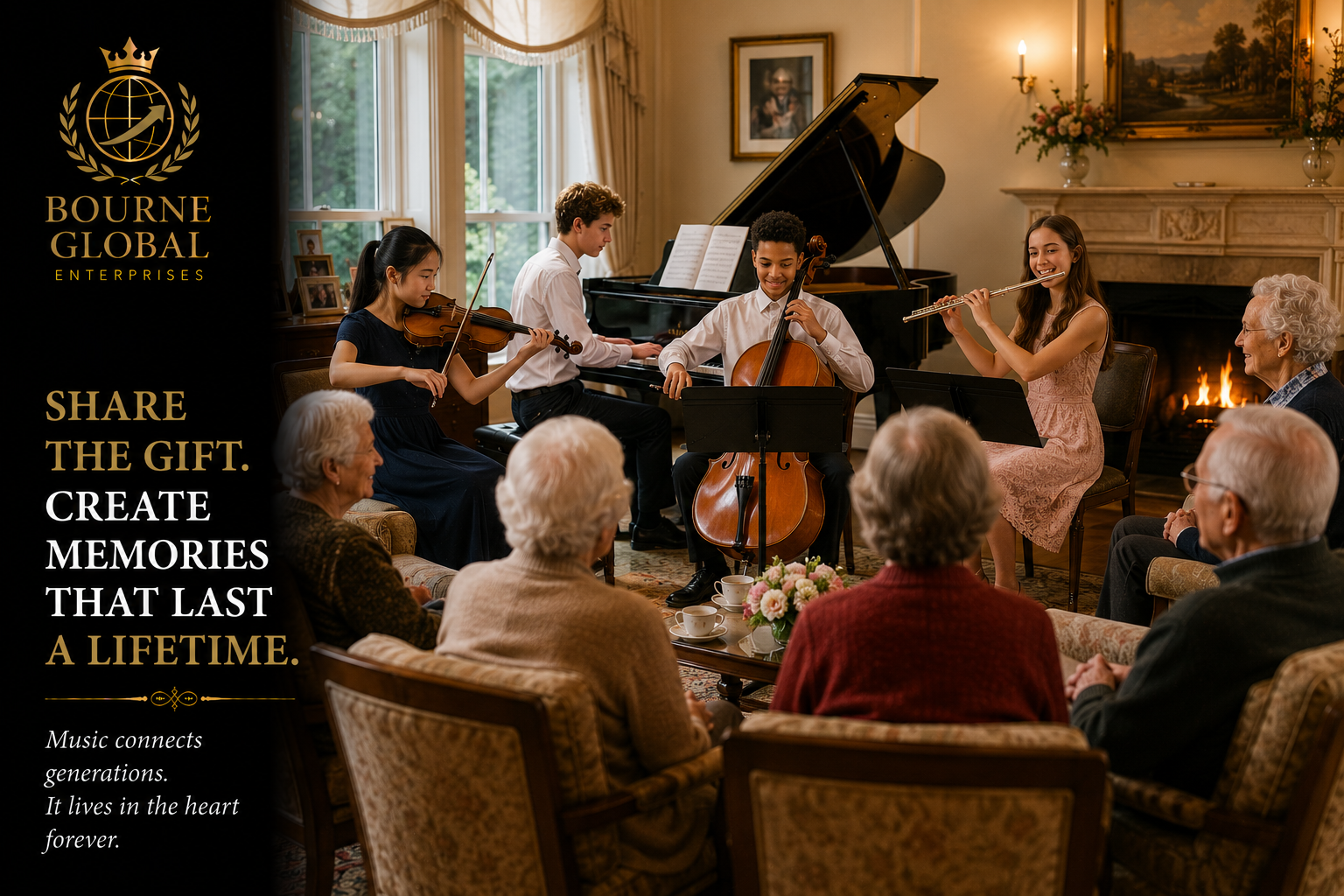
The Voice Changes With Age. The Artist Remains.
A senior choir should not simply receive a slower version of training designed for younger adults. Aging can bring changes in breath, stamina, range, registration, hearing, recovery, memory, physical comfort and confidence. At the same time, older singers may bring decades of musical experience, interpretive maturity, discipline and emotional depth.
Good teaching respects both.
Age-Aware Vocal Support With Artistic Dignity.
Depending on the singer and appropriate professional boundaries, training can emphasize efficient breath use, comfortable range, resonance, articulation, onset, flexibility, pacing, recovery, warm-up strategy and avoiding unnecessary force.
We are educators, not medical providers. When symptoms suggest that medical or voice-clinic assessment is appropriate, that boundary is respected.
Musicianship Can Keep Growing.
Thoughtful pacing, repeated listening, clearly structured practice materials and memory-friendly learning sequences can make musicianship development more accessible without making it simplistic. Pitch, rhythm, part security, text, score understanding and listening can still grow at any age.
Older singers are not merely participating in a wellness activity. They can care deeply about phrasing, poetry, ensemble sound, style, interpretation and the emotional truth of a performance.
For the Senior-Choir Director.
Your questions may be: How do I help people sing comfortably? Stay confident? Learn efficiently? Feel successful? Remain connected? Keep improving? Produce performances they are proud of?
That is a distinctive set of priorities, and it deserves a partnership conversation designed around the people actually in your room.
Explore a Senior Choir PartnershipFamily & Community Experiences™