
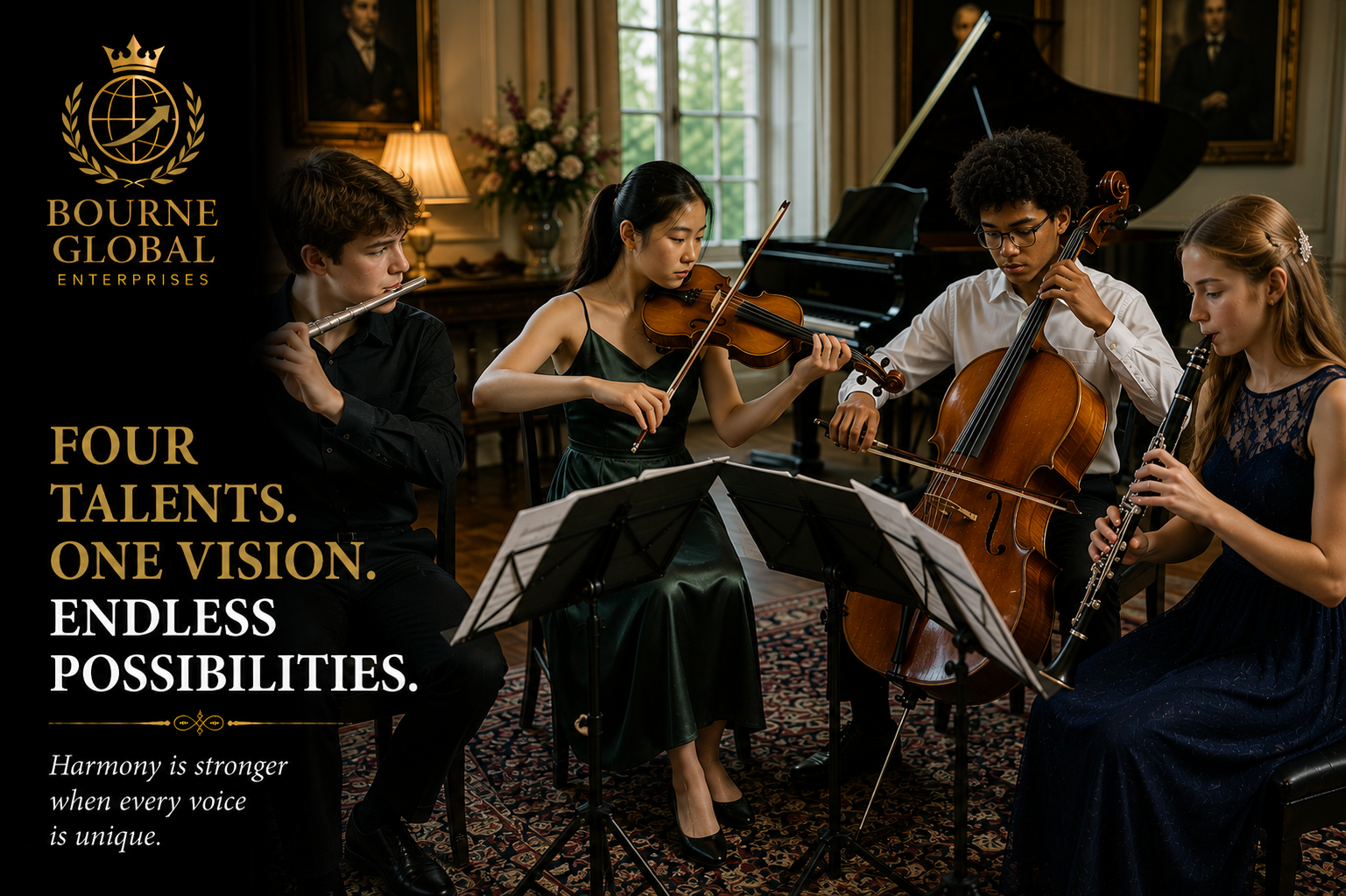
It May Have Started Very Simply.
Perhaps there was already a piano in the house. Perhaps your child heard a violin and fell in love with its sound. Perhaps the school handed them a clarinet. At first, the victories are wonderfully immediate: the first clear note, the first recognizable melody, two hands finally cooperating, the first concert.
Then something changes. Your child begins caring not only about whether the notes are correct, but about how the music sounds. Those questions are often signs that the musician inside your child is beginning to wake up.
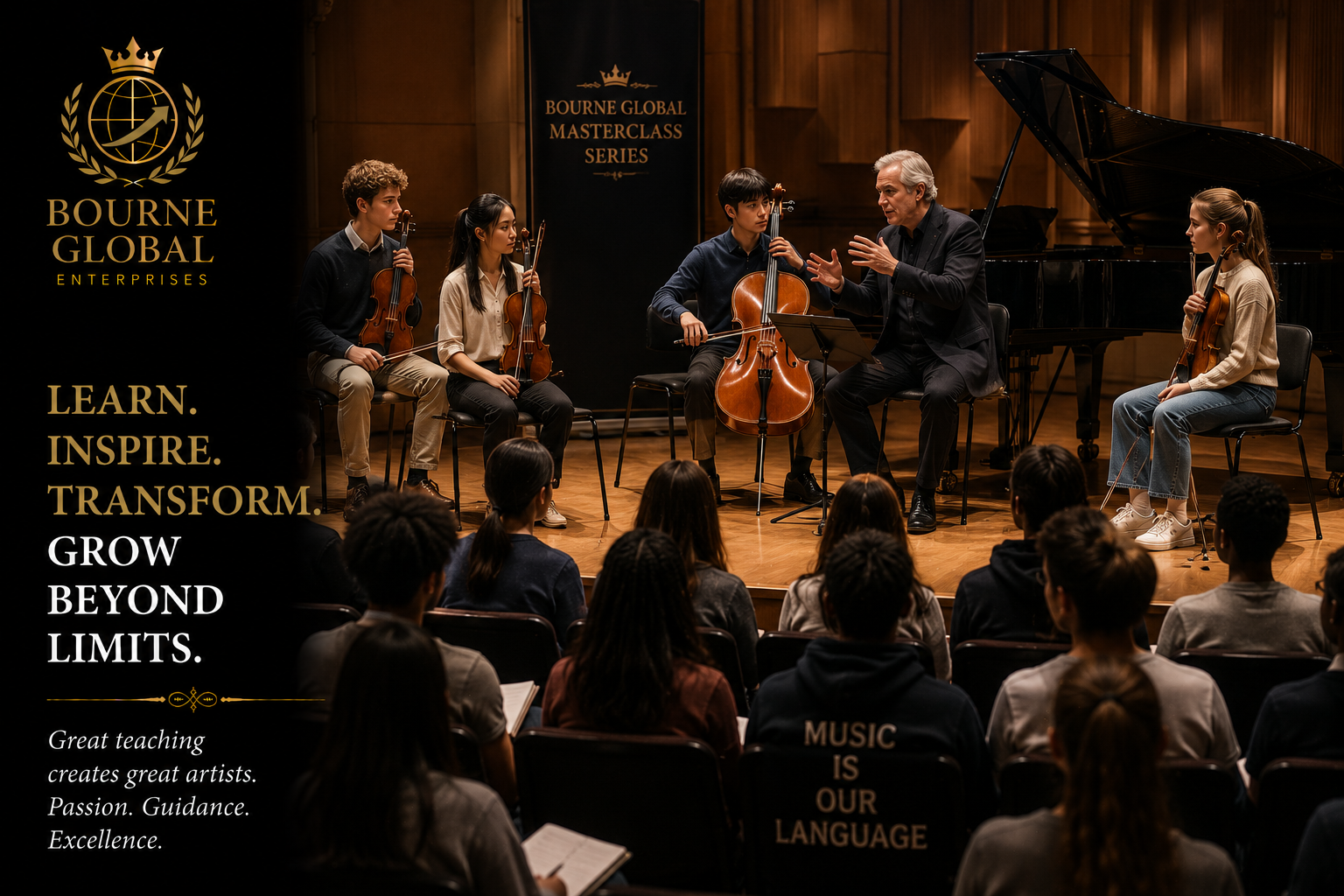
The More Your Child Learns to Hear, the More Music Opens.
A pianist begins hearing melody against accompaniment, harmonic direction, balance and pedal resonance. A violinist begins hearing pitch against harmony, bow contact and the player beside them. A percussionist may count more than a hundred measures to contribute one perfectly placed sound that changes everything.
The deeper work is teaching your child to notice more. Once they notice more, they have more choices. Once they have more choices, interpretation becomes possible.
Technique Is How Musical Intention Becomes Physically Possible.
Scales, arpeggios, long tones, bowing exercises, rudiments and articulation patterns are not separate from the music. They organize the body and ear so difficult musical demands eventually require less conscious effort. The listener does not come to admire the exercise. The exercise exists so your child can eventually forget the mechanism long enough to communicate.
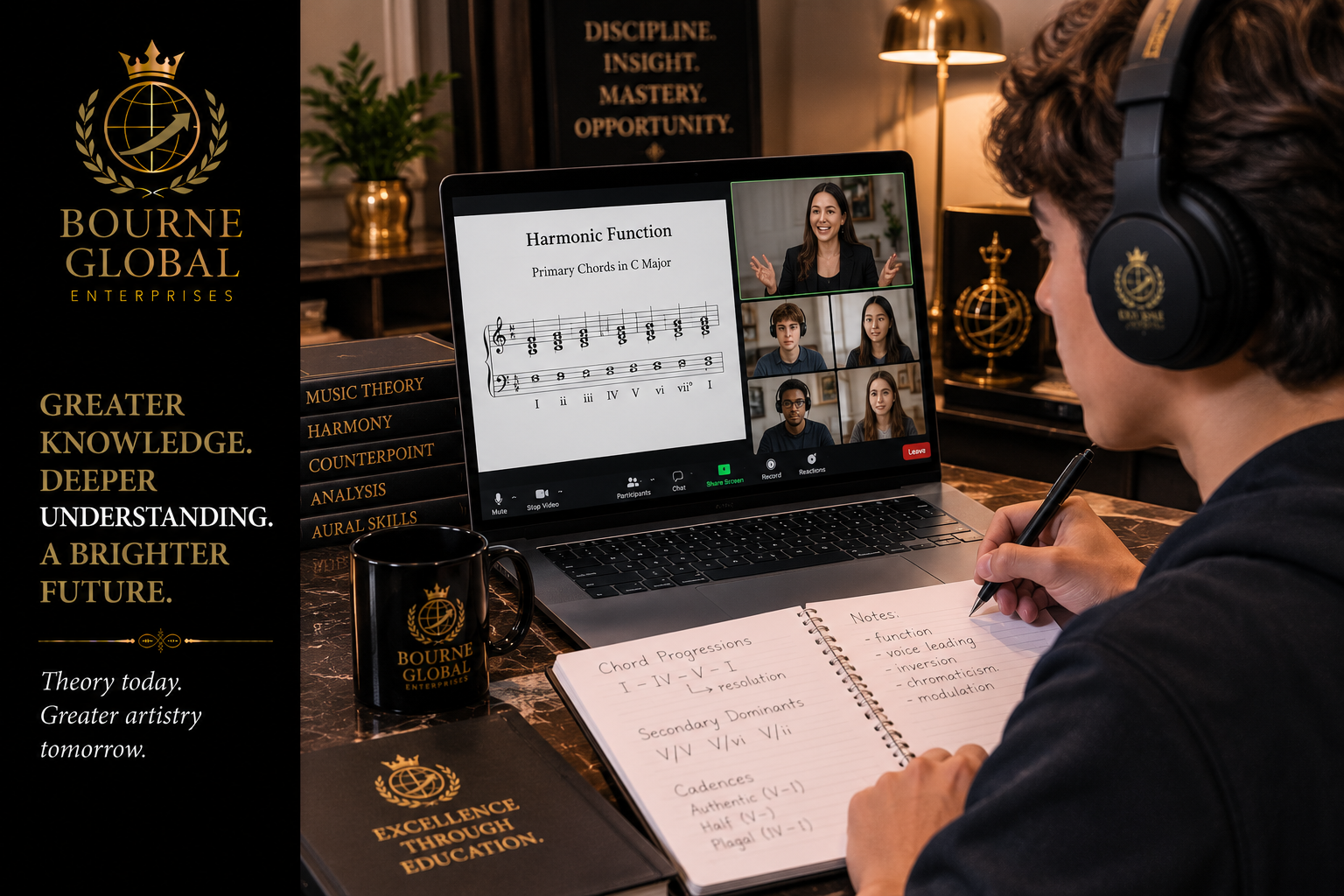
Imagine What Your Child Can Begin to Do for Themselves.
Imagine your child opening a new score and recognizing the key, meter, structure and patterns before they play. They hear part of the phrase internally and know how to isolate a technical challenge rather than repeating the entire work and hoping it improves.
When something needs attention, they stop, listen, think, test a solution and listen again. At rehearsal, they understand the conductor more quickly. In chamber music, they listen beyond their own part. At home, you begin noticing something beyond improvement: ownership. The instrument is becoming theirs.
Your Child’s Private Teacher Can Remain Central.
An excellent private lesson is precious and finite. Now imagine that teacher working with a student who is also developing stronger sight-reading, ear training, theory, score literacy, practice habits, performance skills and musical independence elsewhere.
Music Mastery Intensive™ can make the private lesson more valuable by building more musical understanding around your child.
Music Mastery Intensive™ Builds a Larger Musical Education Around Your Child.
Music Mastery Intensive™ connects instrumental technique, music theory and harmony, ear training and sight-reading, rhythm and ensemble precision, score analysis, repertoire and style, performance practice, deliberate practice, performance psychology, chamber musicianship, orchestral literacy, auditions, examinations and education or career literacy.
Students also gain access, according to pathway and readiness, to specialist faculty, working professionals, MasterClasses, Encounters and a wider international musical community.
Instead of experiencing music as a series of arbitrary classes, your child begins to understand how technique, musicianship, listening, interpretation, practice and performance work together. The learning becomes connected, purposeful and increasingly their own.

Choose the Level of Support That Fits Your Child Now.
Every Music Mastery Intensive™ pathway develops the complete classical instrumental musician. The difference is how individualized, intensive and strategically directed that development becomes.
Music Mastery Intensive CORE™
The Complete-Musician Foundation
Your child develops
- Instrumental technique literacy and healthy practice
- Music theory and harmony
- Ear training and sight-reading
- Rhythm, pulse and ensemble precision
- Score analysis & Instrumental Performance Mapping™
- Repertoire, style and performance practice
- Practice architecture and deliberate learning
- Performance psychology, chamber and orchestral literacy
Included experience
Complete live + on-demand curriculum, instrument-family learning libraries, baseline and formal checkpoints, self-assessment and selected Institute MasterClasses and Encounters. Your child’s existing qualified instrumental teacher may remain central.
Why it matters: your child begins connecting what they practise, what they hear, what they understand and what they perform. Instead of waiting for a teacher to solve every musical problem, they begin recognizing patterns, hearing discrepancies, understanding instructions and making increasingly informed choices for themselves.
Music Mastery Intensive ELITE™
An Individual Pathway Built Around Your Child
Your child receives
- Regular private instrumental study/coaching aligned to active repertoire
- A working baseline of at least 3 private sessions per month
- 2 × 2-hour LIVE studio/performance MasterClasses each month
- Individual application of theory, ear training, sight-reading and score analysis
- Repertoire architecture and audition/examination/competition preparation
- Performance psychology and stagecraft
- Monthly Progressive Development Report™
- Enhanced / priority consideration for relevant specialist opportunities
Why it matters: your child is not simply taking more classes. Their learning begins to organize around what they are actually trying to accomplish. Practice becomes more intentional, progress becomes more visible, and your family can understand what is developing, what deserves attention next and how the different parts of the training are working together.
Music Mastery Intensive Director’s Studio™
Bespoke Artistic Direction for the Advanced Musician
The Studio architecture includes
- Application, performance submission, assessment and interview
- Annual Artistic Development Blueprint™
- Bespoke repertoire / material architecture
- Prescribed private instruction and specialist coaching
- 2 LIVE cohort MasterClasses monthly
- Monthly Progressive Development Reports™ and continuous Blueprint review
- Opportunity Intelligence™ and Strategic Artistic Network Map™
- Curated Professional Encounters™, VIP Half-Days™ and selected residencies / intensives
- Monthly Cassandra Office Hours™ and first consideration for appropriate advanced opportunities
Why it matters: advanced development becomes a thoughtfully directed artistic journey. Repertoire, technical priorities, collaborators, auditions, education, performance experience and professional relationships can begin working together—giving the emerging musician greater clarity, stronger preparation and a wider professional world in which to grow.
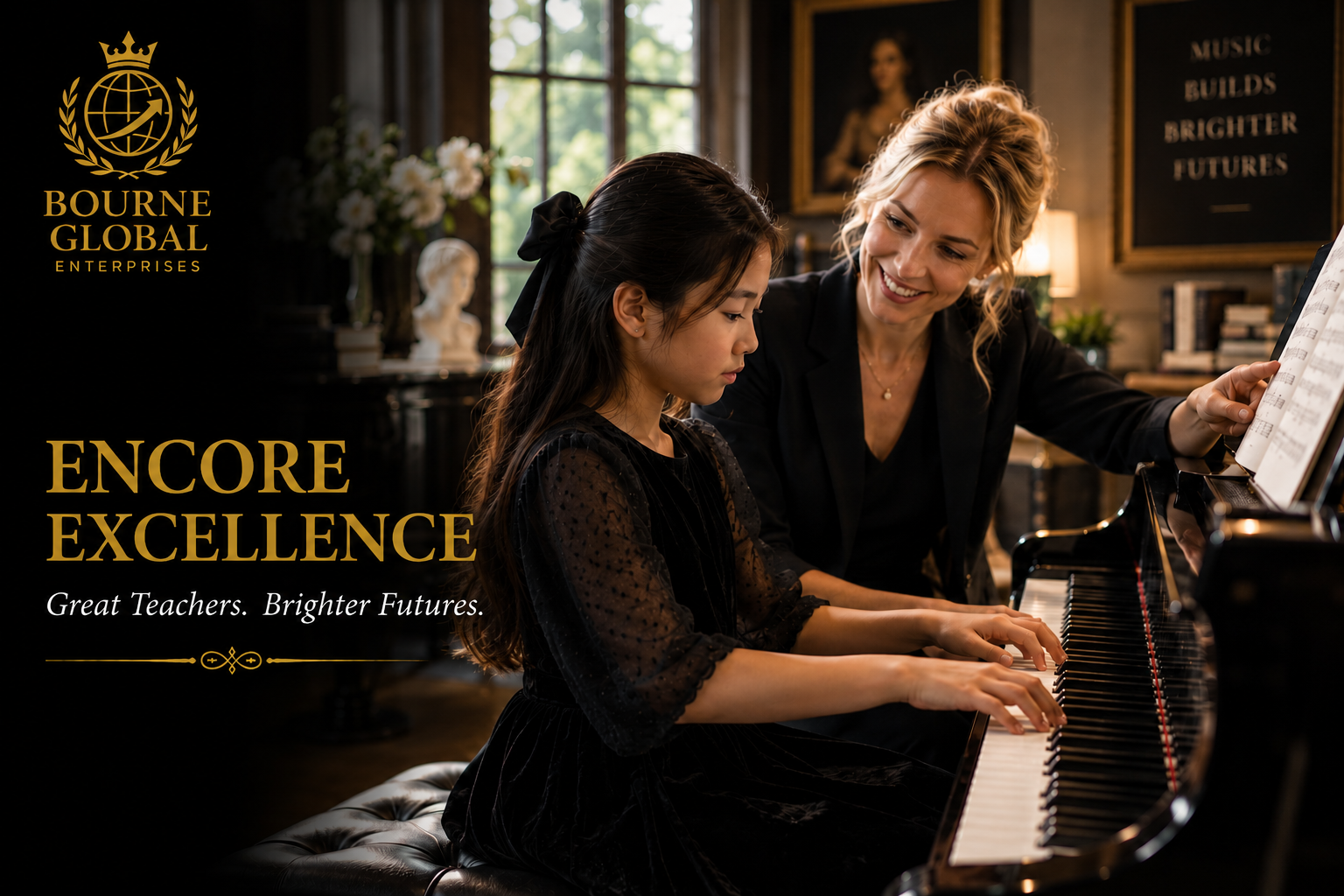
Exceptional Teachers Can Change the Way Your Child Hears What Is Possible.
Music Mastery Intensive™ is built around the belief that a serious musician can benefit from more than one extraordinary perspective. Your child’s private instrumental teacher may remain central, while the Academy brings additional musicianship teachers, conductors, collaborative pianists, performers, adjudicators, examiners, clinicians, composers and Guest Professionals into the larger learning environment.
In Music Mastery Intensive CORE™, your child can encounter specialist teaching and Guest MasterClasses that expand what they hear, understand and imagine. In Music Mastery Intensive ELITE™, individualized instrumental study and targeted specialist support bring the right expertise to the musical questions your child is actually facing. In Director’s Studio™, advanced artists are surrounded more deliberately by the teachers, coaches, collaborators and professional encounters that can serve their repertoire, auditions, artistic growth and next meaningful opportunities.
Your child is surrounded by excellent people who can help them hear more, understand more, perform with greater confidence and discover more of what may be possible.
Find the Part of the Music World That Looks Like Yours.
This is the gateway. Choose the path that most closely matches your child, your students or your own musical goals.
For children building the foundations that later make advanced music possible. Healthy technique, listening, reading, rhythm and practice habits are developed with patience—while curiosity and the joy of making music remain central.
For teens whose musical ambitions are becoming more serious. Technique and musicianship grow alongside audition preparation, repertoire decisions, performance confidence and the independence required for the next level.
For university musicians and emerging artists developing a stronger artistic point of view while preparing for advanced auditions, chamber and orchestral work, professional expectations and the transition from student to colleague.
For adults who want to take their music seriously whether or not it is their profession. Build technique, musicianship, artistry and confidence around the realities of adult life and the musical goals that matter personally.
For older musicians who still want meaningful artistic growth. Age-aware technique, thoughtful pacing and continued musicianship support the pleasure, dignity and identity of remaining an active musician.
For schools, bands and orchestras that want stronger individual musicians around the ensemble program they already lead. Students develop reading, listening, technique and practice skills they can bring back into rehearsal.
For musicians learning to create with other musicians at a high level. Chamber and collaborative work develops listening, cueing, balance, intonation, shared interpretation, rehearsal intelligence and artistic responsibility.
For instrumental teachers, conductors, collaborative musicians, clinicians and emerging educators who may want to teach, learn, collaborate, mentor, contribute to Academy experiences or explore faculty consideration.
Explore by Instrument Family.
Different instruments ask different technical questions. Explore how MMI connects musicianship and artistry to the physical and acoustic realities of the instrument itself.
Voicing, coordination, harmony, pedalling, reading and expressive control.
Intonation, bow language, shifting, vibrato, chamber responsibility and sound.
Breath, tone, articulation, register, intonation and musical language.
Coordination, resonance, range, endurance, articulation and harmonic listening.
Time, sound quality, setup, pitched musicianship and ensemble responsibility.
Technique, harmony, voicing, tone, reading and freedom across the instrument.
Let the Musical World Keep Expanding.
Music can become a source of confidence, discipline, friendship, curiosity, cultural discovery and extraordinary personal pride. For a young musician, it may open the way toward advanced study, ensembles, auditions or a lifelong artistic identity. For an emerging artist, it may lead toward conservatory, university or professional opportunities. For an adult or senior musician, it may deepen one of the great loves of a lifetime. For a teacher or conductor, it may create new ways to teach, collaborate and contribute.
The purpose of this gateway is to help you find the right next environment: the instrument-specific training, age or stage pathway, Music Mastery Intensive level, ensemble support or professional community that fits the musician in front of you.
Choose the pathway that helps the musician in front of you keep growing.
Begin With MMI Assessment™Explore Music Mastery Intensive™Director’s Studio™ Consideration